Think Physics: Building an LMS During COVID
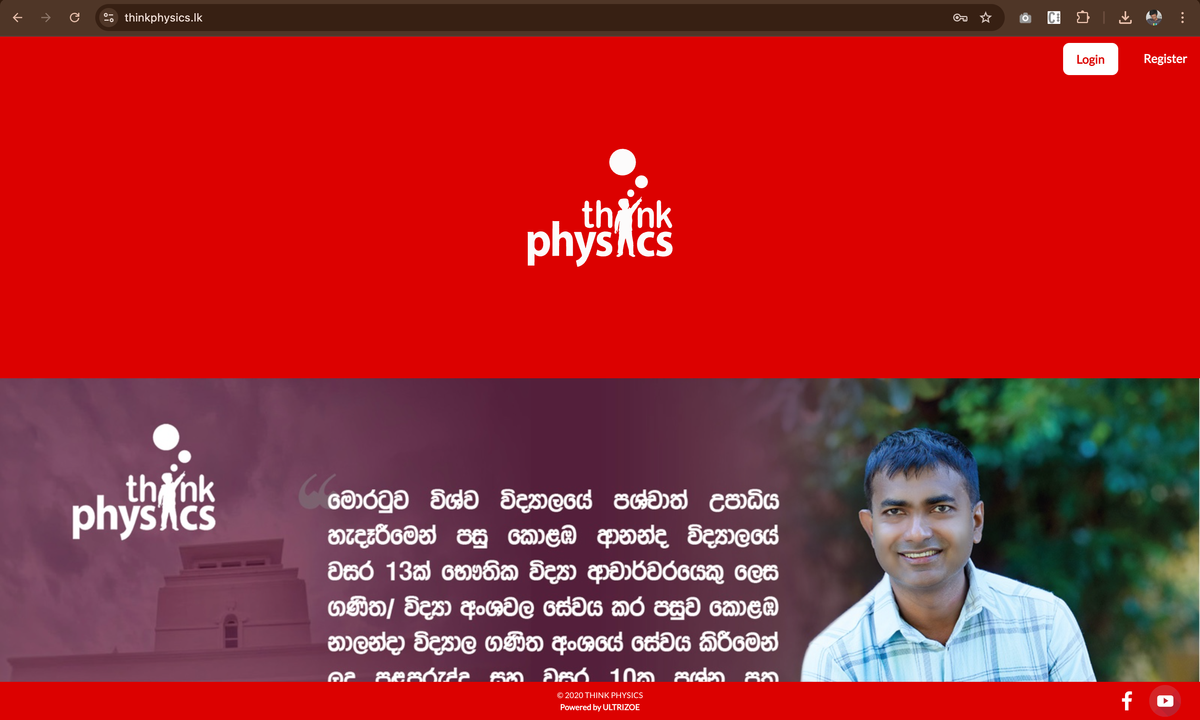
Think Physics was built during the COVID period, when physical tuition classes suddenly stopped and students had no clear way to continue learning. The goal was simple but urgent: move an entire tuition class online without breaking the learning flow.
I led the development of the platform from scratch. There were no designers, no existing LMS, and very little time to experiment. We had to build something reliable, fast, and easy to use and ship it quickly.
What We Were Solving
This wasn’t just a website. It needed to replace a real classroom.
The system had to:
- Handle student onboarding
- Deliver lesson content smoothly
- Support quizzes and assessments
- Allow students to submit answers
- Let the tutor/admin team review, mark, and manage everything
- Work well even on slow internet connections
And all of this had to run during lockdown, with real students depending on it daily.
Tech & Approach
The platform was built using:
- Frontend: Vue.js
- Backend: Node.js + Express
- Database: MongoDB
- Rendering: Client + server-side rendering
- Focus: Performance, SEO, reliability
Even though it was an LMS, SEO still mattered. Parents and students searched for classes online, so the site had to load fast and rank properly.
Key Features Built
Instead of using a ready-made LMS, everything was built specifically for the use case.
Learning & Content
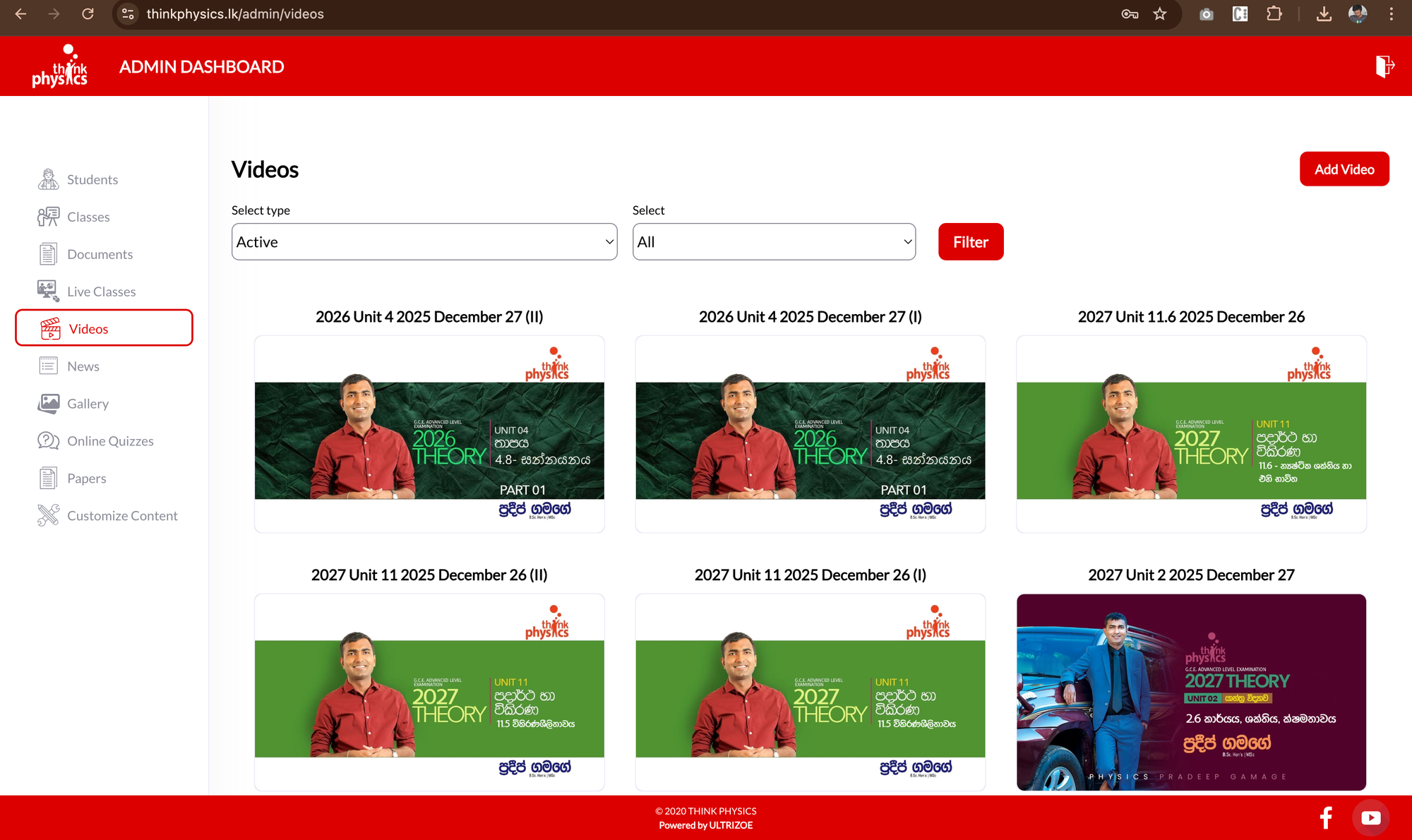
- Video lesson delivery
- Document sharing
- Structured class content
Quizzes & Assignments
- Dynamic quiz creation
- Auto-marking for objective questions
- Manual review for structured answers
- Submission tracking
- Leaderboards for student performance
Admin Panel
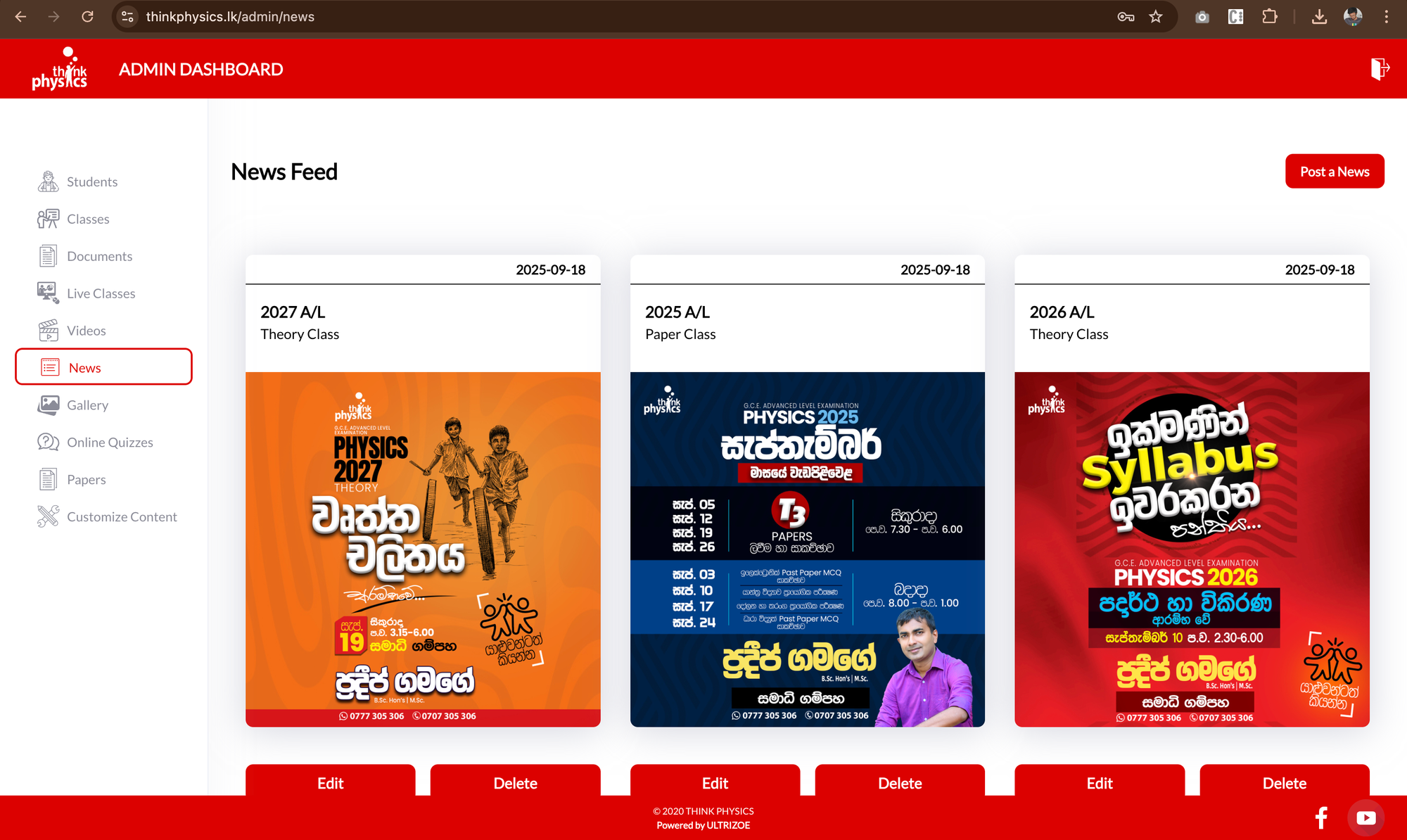
- Student management
- Class and content management
- Quiz creation and result tracking
- Manual approvals and validations
- Simple workflows for non-technical users
Everything was designed so the tutor could run the system independently.
Performance & Stability
This part mattered more than visuals.
- Server-side rendering for fast initial loads
- Optimized assets and minimal dependencies
- Careful handling of file uploads
- Simple, predictable APIs
- Stable performance even with growing usage
The platform ended up supporting around 1000 students without major issues.
What Made This Project Challenging
- No designers, UI decisions were on us
- Tight timelines
- Real users, not test data
- Had to work reliably during lockdown
- Needed to scale without becoming complex
Most decisions came down to choosing simple and stable over clever.
What I Learned From This Project
This project taught me more than most corporate work:
- How to ship under pressure
- How to balance speed with maintainability
- How to design systems for non-technical users
- How to avoid overengineering
- How to lead a small team with real constraints
It also reinforced something I still believe today:
Good engineering is about judgment, not just code.
Why This Project Still Matters to Me
This wasn’t built for a portfolio. It was built because students needed it.
It worked, it scaled, and it helped people continue learning during a difficult time. That’s why it still stands out as one of my most meaningful projects.